WHAT IS A ROBOT?
A robot is "a machine capable of carrying out a complex series of actions automatically, especially one programmable by a computer." Machines considered robots range from nano robots to drones and humanoids.
WHAT KINDS OF ROBOTS ARE USED TODAY?
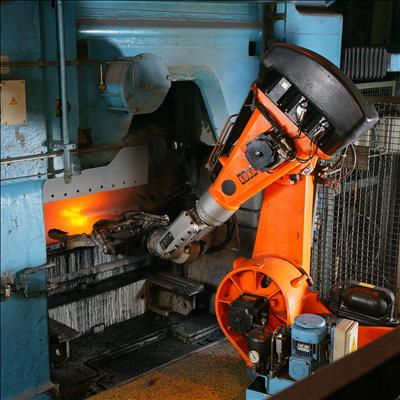
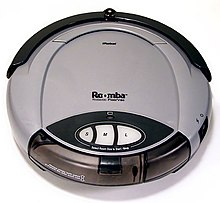
Industrial robots are often used in factories and are programmed to repeat a certain task until the work is done (loops in computer science!). These robots are reprogrammable and often multipurpose. Another common robot is a "robot vacuum cleaner" like a Roomba (considered a domestic robot). These vacuums automatically guide themselves around the space they're in for up to 90 minutes picking up dirt, and sensors keep the vacuum from running into objects (if there's an object in the way turn away, else keep moving) and can guide itself back to its charging station. Other common robots include space probes, mining robots, and droids.
WHAT ABOUT HUMAN-LIKE ROBOTS?
Humanoids, or social robots, are what we commonly think of when we consider a "robot". These are the science-fiction type robots that often "take over the world" in pop culture movies. Many recent advances have been made in the creation of these robots that appear like humans. The picture shown below shows a robot named Sophia, who was made with patented silicon that looks like skin and is programmed to show more than 62 emotions. The goal of robots such as Sofia is to create robots that can be used as human replacements in health care, social therapies, costumer service, etc. The aim is also to produce human-artificial intelligence relationships. This, however, comes with much conflict, as many believe that robots will take human jobs and roles in society, dehumanizing the human experience. But, scientists who create these robots expect the fear of robots to drop once people are able to interact with them.

HOW DOES THIS RELATE TO COMPUTER SCIENCE?
Everything that robots are able to do comes from computer programs at their core. Robots use loops, if-then statements, and other combinations of computer science functions in order to move and completer their specified job. In the case of humanoids, all of the perceived emotion, movements, and responses are programmed into the computer at the core of the robot by computer scientists.
Info and pictures from:
http://www.mb.com.ph/crazy-eyed-robot-sophia-wants-to-destroy-humans/
http://www.explainthatstuff.com/how-roomba-works.html
http://www.cnbc.com/2016/03/16/could-you-fall-in-love-with-this-robot.html
https://en.wikipedia.org/wiki/Robot
https://en.wikipedia.org/wiki/Robot

I found the part about human-like robots to be extremely interesting, especially when you mentioned how robots are being designed to be human replacements in healthcare and social therapies. I think that a big reason that therapies are so effective is because of the human bond that is formed between the therapist and client. Could robots actually establish this relationship and be able to effectively facilitate therapy with a client?
ReplyDeleteI have always been interested in robotics and how scientists program them. If scientists have the goal to make humanoid robots replace actual humans in the work place, how would they respond in emergency situations? How could computer scientists program robots to respond in dire situations where complications occur, like a surgery?
ReplyDelete