Thursday, September 29, 2016

Post 6. Playing Against a Computer?

Image result for chess game online


What is meant by "playing against the computer"?

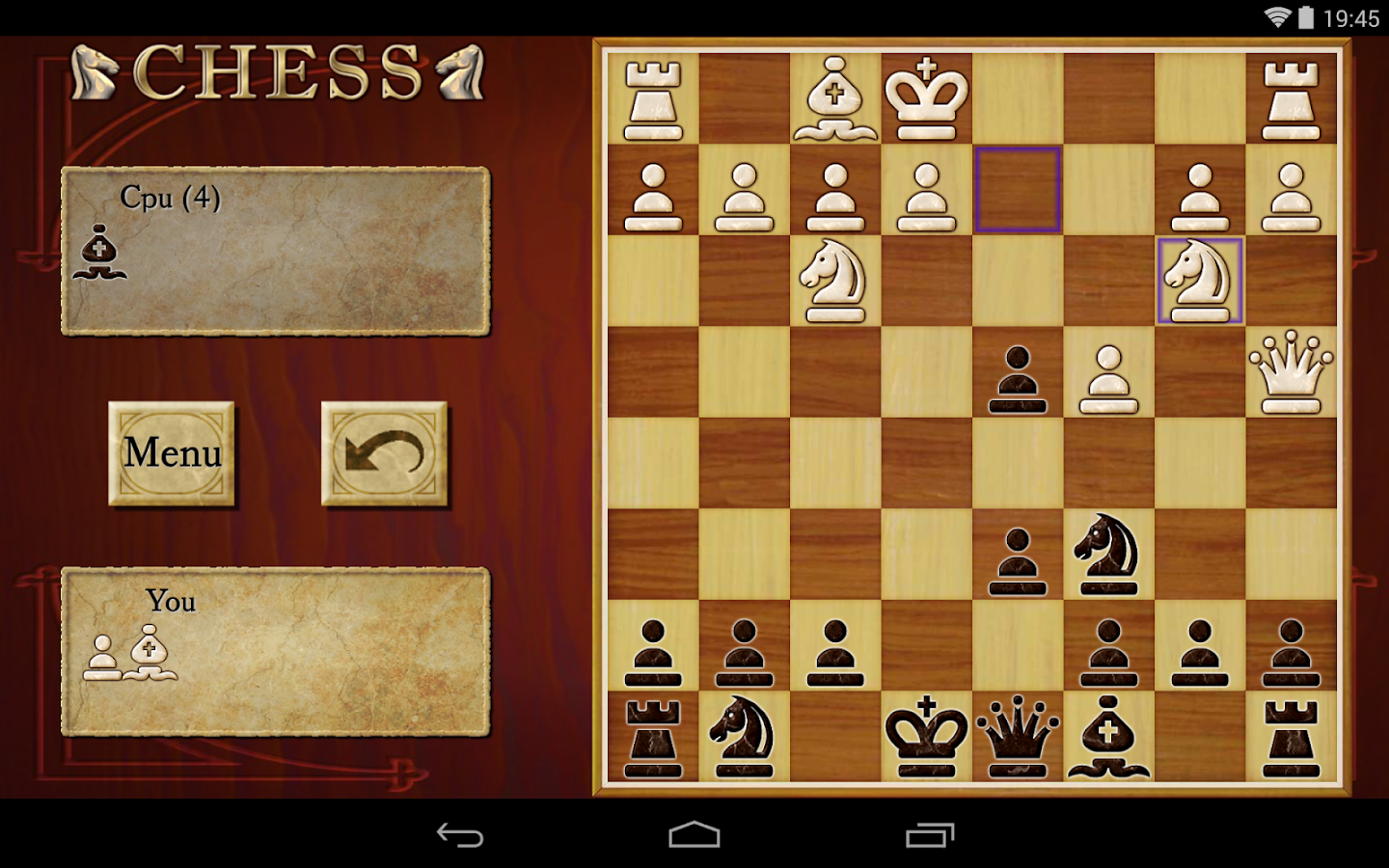
Chess, checkers, and poker are a few of the most popular computer games that involve a user playing against a computer in order to win the game. Unlike humans, computers do not need to use intelligence and thought in order to recall pattern-matching, rules, guidelines, and to determine the likely upcoming moves of the opponent. Instead, the computer is programmed with a list of all possible scenarios/outcomes and what to do when presented with a particular scenario.

How does this work with chess?

The computer used to play chess uses an evaluation function to evaluate all of the board positions, vulnerability, and other parameters added by the programmer. Using what is basically a tree diagram, the computer is able to look three moves ahead of its opponent and evaluate the value of each of the final board positions. Each time the opponent or the computer moves, this process happens again to determine the best next move.


What about poker?

Carnegie Mellon University and the University of Alberta in Canada are two of the universities with research teams that have created computer programs made to outplay the best poker players at two-player poker games (Specifically Texas Hold-em in both cases). Because in poker the player can fold and may not know the past moves of the other player, there is not perfect mathematical formula to win poker, unlike chess and checkers. Before the game of Texas Hold-em begins, the computer calls a table of results that have been pre-programmed. It then simulates billions of hands of poker, because of this, throughout the game the computer is able to determine optimal strategy.

How does this relate to computer science and what are the bigger implications?

Computer games played against the computer use a series of algorithms programmed by a computer scientist in order to determine how to win a particular game. The computer having to "learn" and to determine what to do in millions of different possible outcomes has huge implications elsewhere in the field of computer science. For example, in the future computers may be able to help with national security, foreign policy, medical treatment, or any other situations requiring complex decision-making. 


Photos and information from:
https://play.google.com/store/apps/details?id=uk.co.aifactory.chessfree
http://www.pbs.org/newshour/rundown/carnegie-mellon-wagers-computer-can-take-top-poker-players/
http://www.livescience.com/49376-computer-program-solves-poker.html
http://electronics.howstuffworks.com/chess2.htm

Thursday, September 22, 2016

Post 5. Robots of the future!!


WHAT IS A ROBOT?

A robot is "a machine capable of carrying out a complex series of actions automatically, especially one programmable by a computer." Machines considered robots range from nano robots to drones and humanoids.


WHAT KINDS OF ROBOTS ARE USED TODAY?

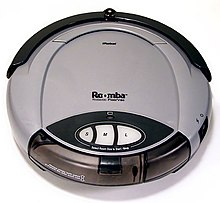
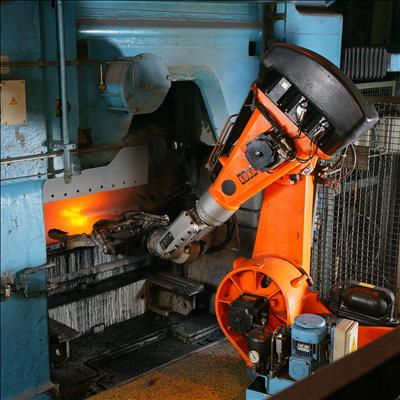
Industrial robots are often used in factories and are programmed to repeat a certain task until the work is done (loops in computer science!). These robots are reprogrammable and often multipurpose. Another common robot is a "robot vacuum cleaner" like a Roomba (considered a domestic robot). These vacuums automatically guide themselves around the space they're in for up to 90 minutes picking up dirt, and sensors keep the vacuum from running into objects (if there's an object in the way turn away, else keep moving) and can guide itself back to its charging station. Other common robots include space probes, mining robots, and droids.

WHAT ABOUT HUMAN-LIKE ROBOTS?

Humanoids, or social robots,  are what we commonly think of when we consider a "robot". These are the science-fiction type robots that often "take over the world" in pop culture movies. Many recent advances have been made in the creation of these robots that appear like humans. The picture shown below shows a robot named Sophia, who was made with patented silicon that looks like skin and is programmed to show more than 62 emotions. The goal of robots such as Sofia is to create robots that can be used as human replacements in health care, social therapies, costumer service, etc. The aim is also to produce human-artificial intelligence relationships. This, however, comes with much conflict, as many believe that robots will take human jobs and roles in society, dehumanizing the human experience. But, scientists who create these robots expect the fear of robots to drop once people are able to interact with them. 
Image result for sophia robot


HOW DOES THIS RELATE TO COMPUTER SCIENCE?

Everything that robots are able to do comes from computer programs at their core. Robots use loops, if-then statements, and other combinations of computer science functions in order to move and completer their specified job. In the case of humanoids, all of the perceived emotion, movements, and responses are programmed into the computer at the core of the robot by computer scientists. 


Info and pictures from: 

http://www.mb.com.ph/crazy-eyed-robot-sophia-wants-to-destroy-humans/
http://www.explainthatstuff.com/how-roomba-works.html
http://www.cnbc.com/2016/03/16/could-you-fall-in-love-with-this-robot.html
https://en.wikipedia.org/wiki/Robot

Thursday, September 15, 2016

Post 4. Getting Money- How do ATMs Work?!


Image result for atm


What's so important about an ATM?

Since the mid-1960s ATMs, or automated teller machines, have helped people safely (mostly) withdraw and deposit money in and out of their bank accounts no matter what day or time, and has allowed banks to increase their costumer bases. These machines are easy to use, allow banks to make money through transaction fees, and allow for shorter waiting times within the bank.


How does it work?

ATMs serve as data terminals that are connected to both a host computer, and a computer inside of the bank. These machines are connected to the host processor through a phone line, or internet line. The card reader takes the account information from the users card and sends the information to the host processor in order to route the current transaction to the cardholder's bank account (And to determine the balance of their account). The display screen prompts the user to select what kind of transaction they would like to make and the keypad allows the user to "tell" the computer which transaction they select, and to what amount, as well as their security PIN number. After processing the request, for withdrawals, the machine counts the correct amount of money from the safe within the ATM and dispenses it to the user, or uses an electric eye and sensor to count each bill entered during a deposit. 


How does this relate to computer science?

In its most basic form ATMs contain two input devices, perform programmed algorithms based on user input, and contain four output devices. The input devices, where the user tells the computer which requests it would like filled, include the card reader and the keypad. The four main output devices include the speaker, display screen, receipt printer, and cash dispenser. The computer of the ATM is also programmed to take input from the sensors in order to determine the amount of bills entered, and newer ATMs have cameras for security that record input and send the data to other computers for human review when needed. 


Info and Pictures from:
http://thehackernews.com/2014/06/ninth-grade-students-hack-into-atm.html
http://money.howstuffworks.com/personal-finance/banking/atm2.htm
http://www.theatlantic.com/technology/archive/2015/03/a-brief-history-of-the-atm/388547/

Thursday, September 8, 2016

Post 3. Self Parking Cars?!


WHAT DO YOU MEAN BY SELF PARKING CARS?

BMW , Audi, and Toyota are three of the car companies who have added "self-parking" to the new list of extras available on their cars. Currently these cars do not completely drive themselves into parking spots, however, with driver input and sensors the car uses an on-board computer system to take over the steering wheel and can parallel park against a curb, even between two cars. In the newest Toyota Prius models with this feature specifically, the driver still controls shifting the gears and pressing the brakes to control the speed, the computer system simply controls the steering wheel. 

HOW EXACTLY DOES THIS TECHNOLOGY WORK?

Most of the self-parking cars available now have sensors around the outside of the entire vehicle to sense when the curb, or other vehicles are close, and their distance from the car. Some cars also have cameras to detect objects near the car. After determining distance from other objects, the care can then steer into the space as the driver releases the brakes and sets the car into reverse and drive. 

A three-quarter front view of the 2016 Tesla Model S P90D, equipped with autopilot technology

WILL WE HAVE SELF-DRIVING CARS SOON?

Many car companies are working on cars that can do more and more automatically. For example, BMW is currently in the process of having a car that can park itself into small horizontal spaces such as garages. Tesla has also released a software update in 2016 that allows the Model S vehicles (shown above) to "automatically steer down the highway, change lanes, adjust speed to traffic conditions and parallel park at the touch of a button."  Much like the self parking feature that is becoming more and more popular, this technology works through a combination of sensors, cameras, and radar to constantly collect data and change accordingly. These cars still require the driver to shift gear, and control the commands, however, technology regarding cars is improving daily.

HOW DOES THIS RELATE TO COMPUTER SCIENCE?

These cars "driving themselves" are all a result of the programming of their computer systems by computer scientists in order to control the wheel, sense things around them, use rearview cameras, and interpret the information from the cameras and sensors in order to safely make adjustments to the movement of the car. The car's computer system is constantly receiving input from its surrounding and creating algorithms in order to respond with the proper output, keeping those in the car safe.


 http://www.gayot.com/lifestyle/automobile/lists/self-driving-cars/tesla-model-s-p90d.html
http://auto.howstuffworks.com/car-driving-safety/safety-regulatory-devices/self-parking-car2.htm
http://blog.caranddriver.com/laser-guided-bmw-i3-will-park-itself-literally-at-2015-ces/

Thursday, September 1, 2016

Post 2. Live Action-Animated Films: How do they work?


WHAT IS LIVE-ACTION ANIMATION ? 

Live action animation is a film genre that has become more common as technology has advanced. These films combine live action (actors in the flesh) and computer and traditional animation into one screen, especially so that the live actors and the animated characters interact with each other. 

HOW DOES IT WORK?

These movies use computer-generated imagery (CGI) along with the live action footage in order to create the effect that the characters are in the same world. CGI is defined as "the application of computer graphics to create or contribute to images in art, printed media, video games, films,..." , ect. In this case, the CGI takes the form of 3D compute graphics added to live action film. Computer-generated imagery and animation has made it possible for this genre of film to become more popular. 

HOW DOES IT RELATE TO COMPUTER SCIENCE?

CGI works through the computer graphics area of computer science by manipulating image data and using special effects in the film images. These films also use image processing, and other branches of computer science in order to combine the live action film with the computer-animated characters.                   
Image result for smurfs live action
Info and Pictures from:

https://en.wikipedia.org/wiki/Computer_science#Computer_graphics_and_visualization
http://www.channel24.co.za/Movies/Reviews/Alvin-and-the-Chipmunks-The-Squeakquel-20091224
https://en.wikipedia.org/wiki/Live_action
https://en.wikipedia.org/wiki/Live-action_animated_film
https://en.wikipedia.org/wiki/Films_with_live_action_and_animation
https://en.wikipedia.org/wiki/Computer-generated_imagery

Post 1. How does Samsung's New Virtual Reality Work?


WHAT IS VIRTUAL REALITY ?

Virtual reality, or VR, is defined on the tech site cnet.com as "a computer generated environment that lets you experience a different reality". These devices that go over your head and eyes and take you into "another world" can range from the $5 Google Cardboard that works with your phone to give you a simple, visual virtual reality experience, to the $799 HTC Vive that allows you to reach out an grab objects in your virtual world. The newest (to my knowledge) smartphone-based virtual reality device available to the masses is the Samsung Gear VR.


WHAT'S SO GREAT ABOUT THE NEW SAMSUNG GEAR?

The new Samsung Gear VR is sold for $99 and straps on to your Samsung brand phone to give you a virtual experience that is higher quality than similar products for smartphones (and it also works for people with eyeglasses!). The device allows you to see in a 96-degree field of view and has 3D sound to give you a full virtual reality experience.

HOW DO I USE THIS DEVICE?

Basically, to use this device you simply place your phone into the device and close the top. Then, you put the gear on (see the picture at the top!) and experience the comfort that Samsung promises with its foam cushioning and light weight.

WHAT DO I DO WITH THIS DEVICE? 

The device comes with video apps, games, and more readily available on the Oculus store.  The games and apps are controlled through the use of a controller (pictured below).


                                       Gear VR Games


HOW DOES THIS RELATE TO COMPUTER SCIENCE?

This new virtual reality gear depends completely on computer science (input, algorithms, and output) to work and combines the areas of graphics, software engineering, and networks, as well as other applied computer science areas. The device must quickly and adequately compute, store data, process information, and communicate with other devices (the phone and the controller). 


Info and pictures from: 
http://www.samsung.com/global/galaxy/gear-vr/
http://www.techinsider.io/new-samsung-gear-vr-is-surprisingly-inexpensive-2015-9
https://en.wikipedia.org/wiki/Computer_science
http://www.androidcentral.com/five-things-you-need-know-about-samsung-gear-vr#slide6
http://www.cnet.com/special-reports/vr101/